Reimagining the future of education
From Concept to Champion: Building NeuroQuest for the TOS Hub Hackathon
How we built a Gen-AI learning platform for neurodivergent students in 24 hours.
The Beginning: A Pivot of Purpose
When a friend shared the TOS Hub Innovation Hackathon link with me, I was still nursing the disappointment from a recent loss at the Lagos Impact Hackathon. That setback, however, fueled my determination to try again. Initially, I submitted a health-focused idea (SDG3) that had been brewing in my mind. But just one day before kickoff, inspiration struck—I decided to pivot completely to education (SDG4), a decision that would ultimately lead to victory.
The Spark: Education Reimagined
My pivot came from a profound realization: traditional education fails too many learners. For neurodivergent students with ADHD, dyslexia, or autism, the standard "one-size-fits-all" approach often creates barriers rather than opportunities.
I didn't want to build just another app—I wanted to create a bridge. With this vision, my team and I conceived NeuroQuest, a platform that flips the educational paradigm: instead of forcing students to adapt to the curriculum, we would make the curriculum adapt to them.
The Challenge: Education for All in 24 Hours
Hackathons are pressure cookers by design, but this challenge was particularly ambitious. We had just 24 hours to demonstrate how Generative AI could transcend conventional applications and create personalized learning universes that reshape themselves for each user.
Our platform needed to:
- Analyze individual learning styles with precision
- Adapt content complexity in real-time based on user interaction
- Engage students who typically struggle with traditional attention models
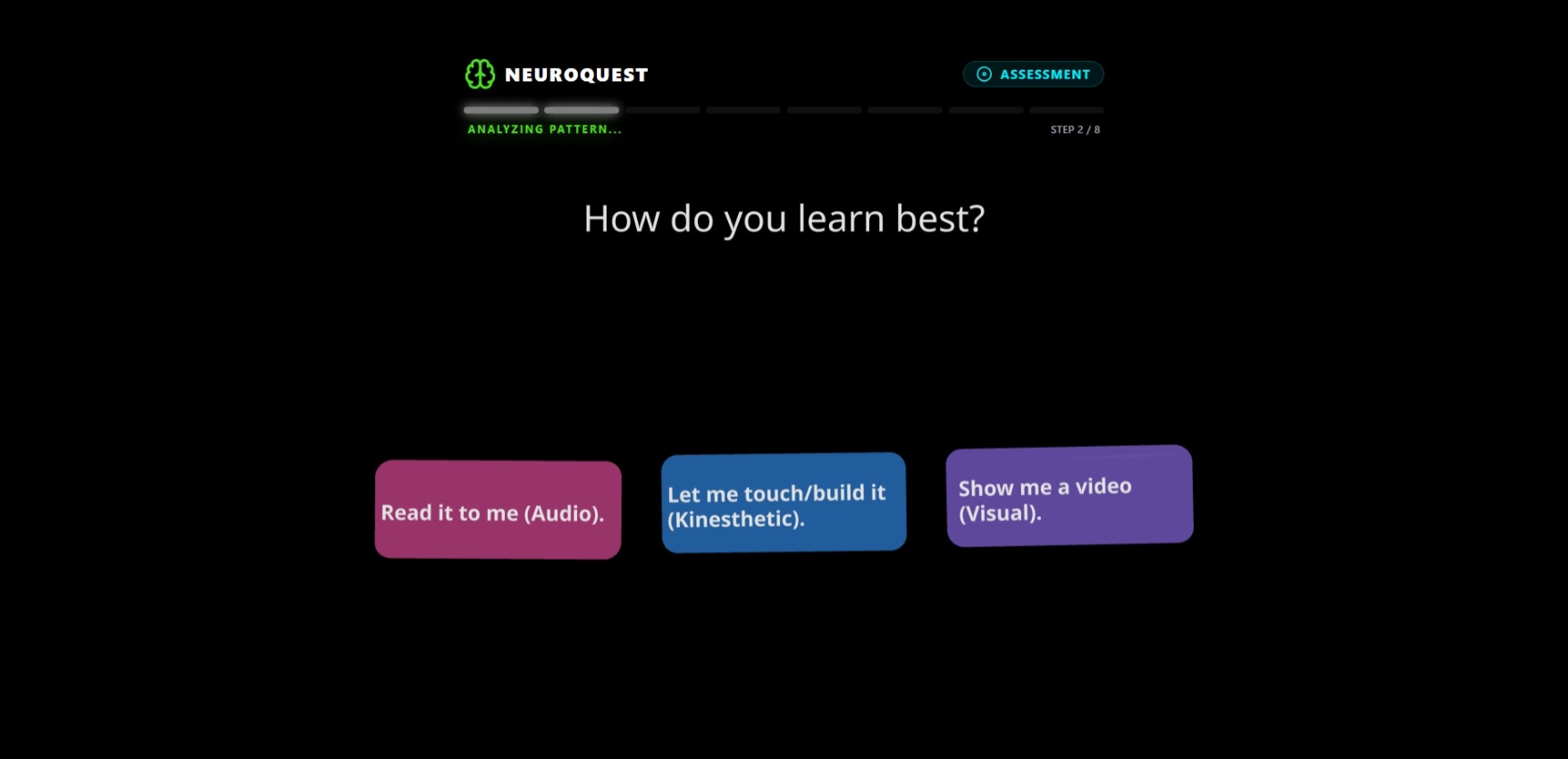
— Assessing the user's needs on NeuroQuest —
The Build: Engineering with Empathy
As Full-Stack developer and Team Lead, I needed to architect a solution that balanced technical sophistication with intuitive design. Our tech stack was chosen for both performance and interactivity:
- Frontend: Next.js, GSAP
- Backend: FastAPI
- 3D Visualization: Three.js, OGL
- AI Integration: Claude API, YarnGPT
The Struggle: Coding Against the Clock
The 24-hour constraint was brutal. I dedicated the first 18 hours purely to coding and deployment—a marathon of problem-solving and creation. When debugging threatened to derail progress, I developed a simple ritual: stepping away to splash cold water on my face, clearing my mind before diving back in.
Deployment became its own nemesis, failing five consecutive times as the clock ticked down. With just six hours remaining, I pivoted to creating our demo video and refining the application. By 1 AM on December 18th, exhausted but determined, I submitted our work.
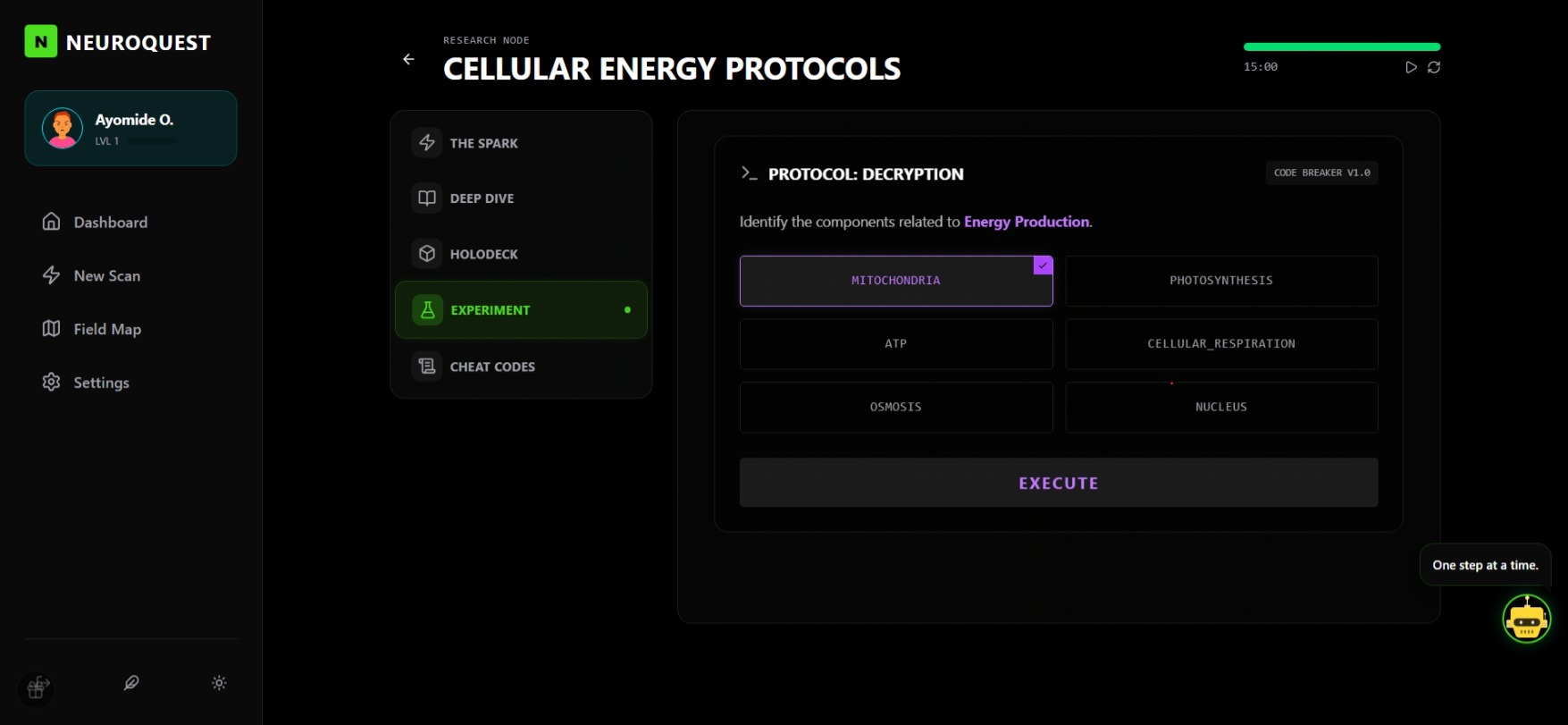
NeuroQuest lesson interface, customized for each user
The Anticipation: Making the Cut
The waiting period was tense. Later that day, at 6 PM, the email arrived—Team CyberForce had made the top five! We would pitch our solution the following day, the final hurdle between us and victory.
The Pitch: Moment of Truth
Pitch day unfolded with methodical precision. After opening ceremonies, teams began presenting their solutions to the judges' critical evaluation. As the fourth presenter, I delivered our pitch confidently, free from stage fright.
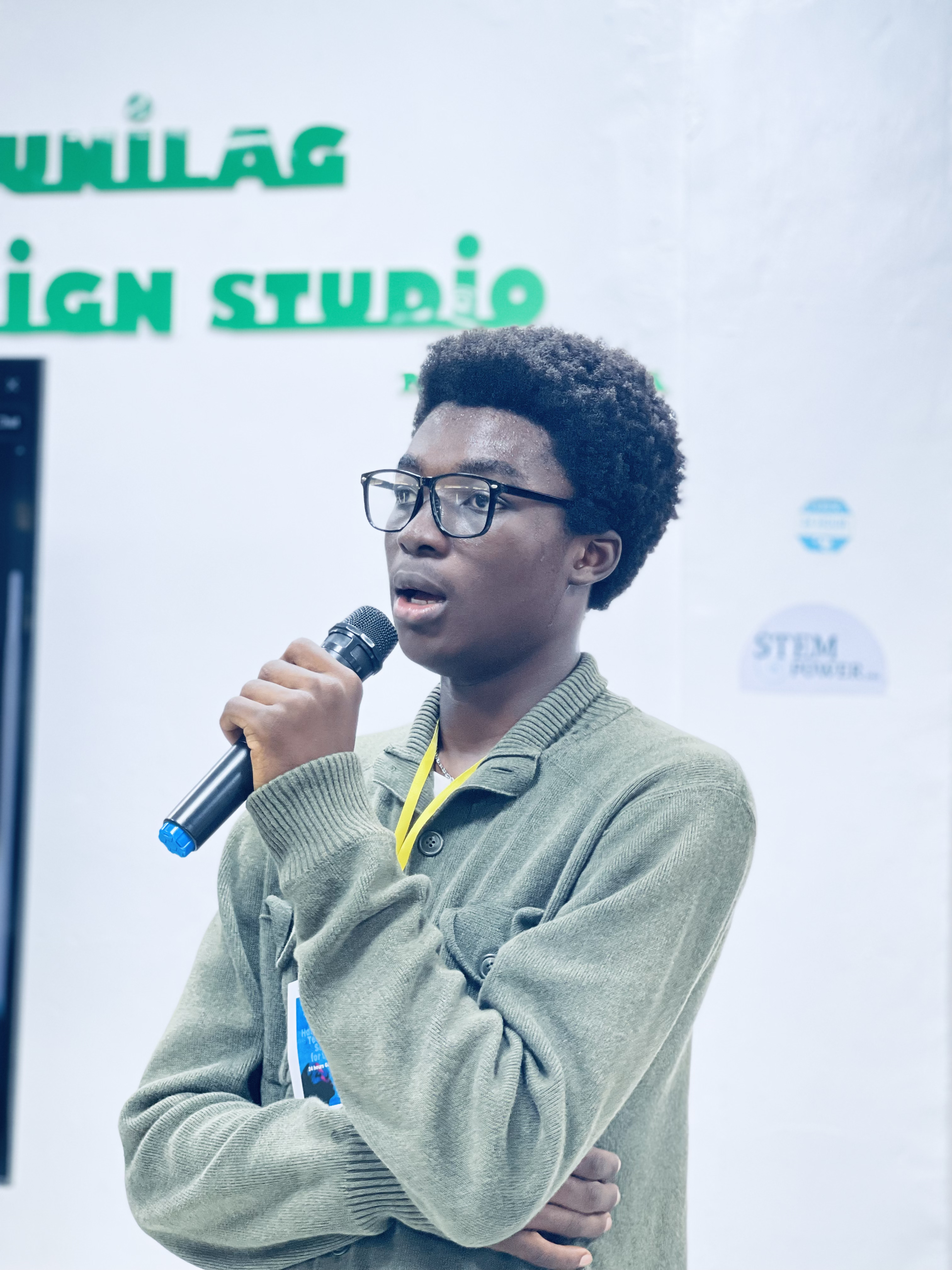 Pitching at the hackathon
Then came the judges' questions. I handled the first with ease, but the second hit unexpectedly hard. I recovered, answering subsequent questions adequately until one judge asked: "What would you say to people that would make them use your product?"
This investor-focused question caught me off-guard. The judge's concern was insightful—people often resist being labeled as having "special needs." What would our marketing strategy be? Despite my limited preparation for such business-oriented questions, I managed to provide a satisfactory response that addressed the concern without compromising our mission.
The Victory: Validation and Vision
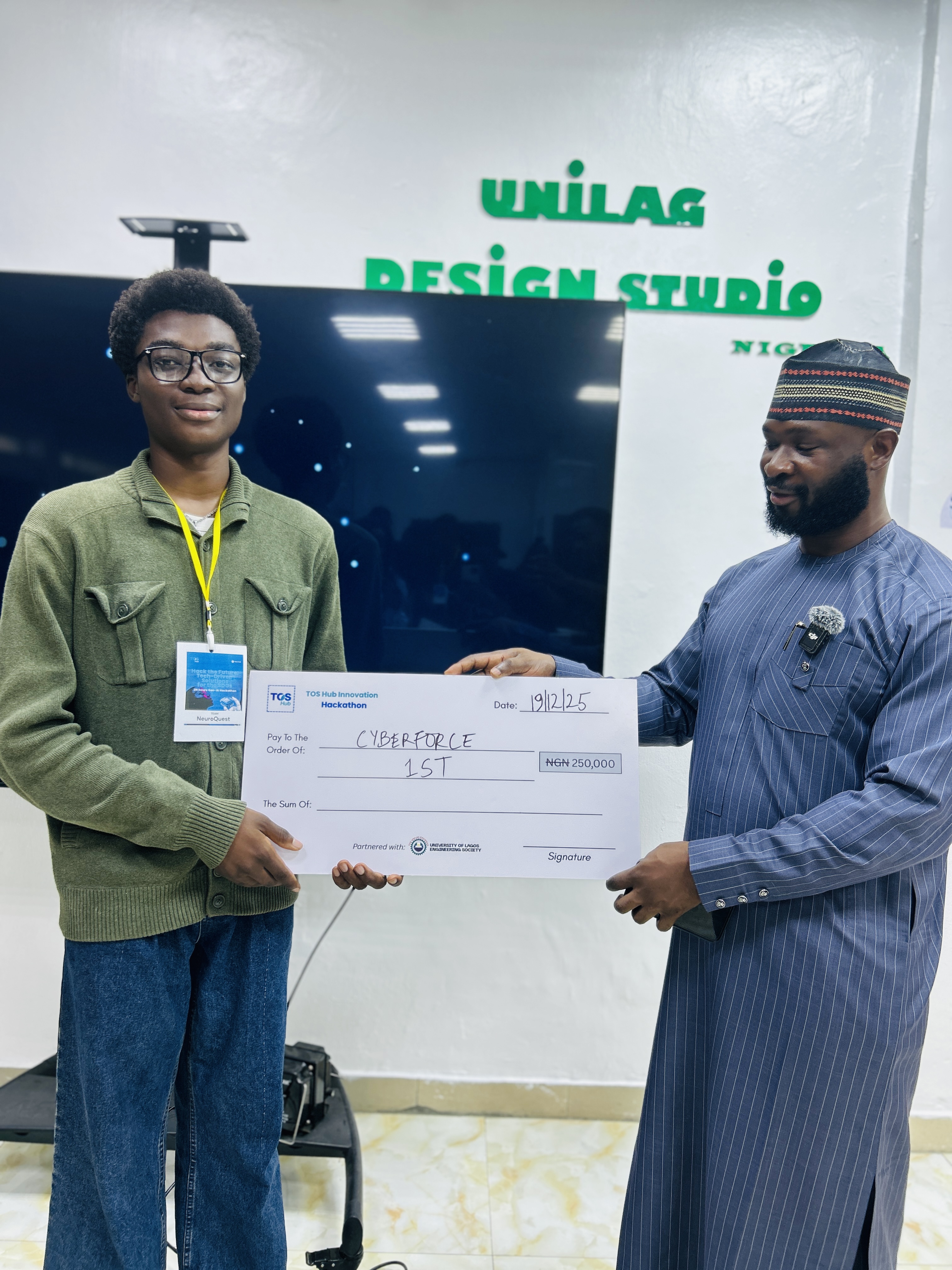
When the results were announced, NeuroQuest had won by an impressive 10-point margin! Beyond the trophy, this victory validated our belief that technology should serve everyone, including those often overlooked by mainstream solutions.
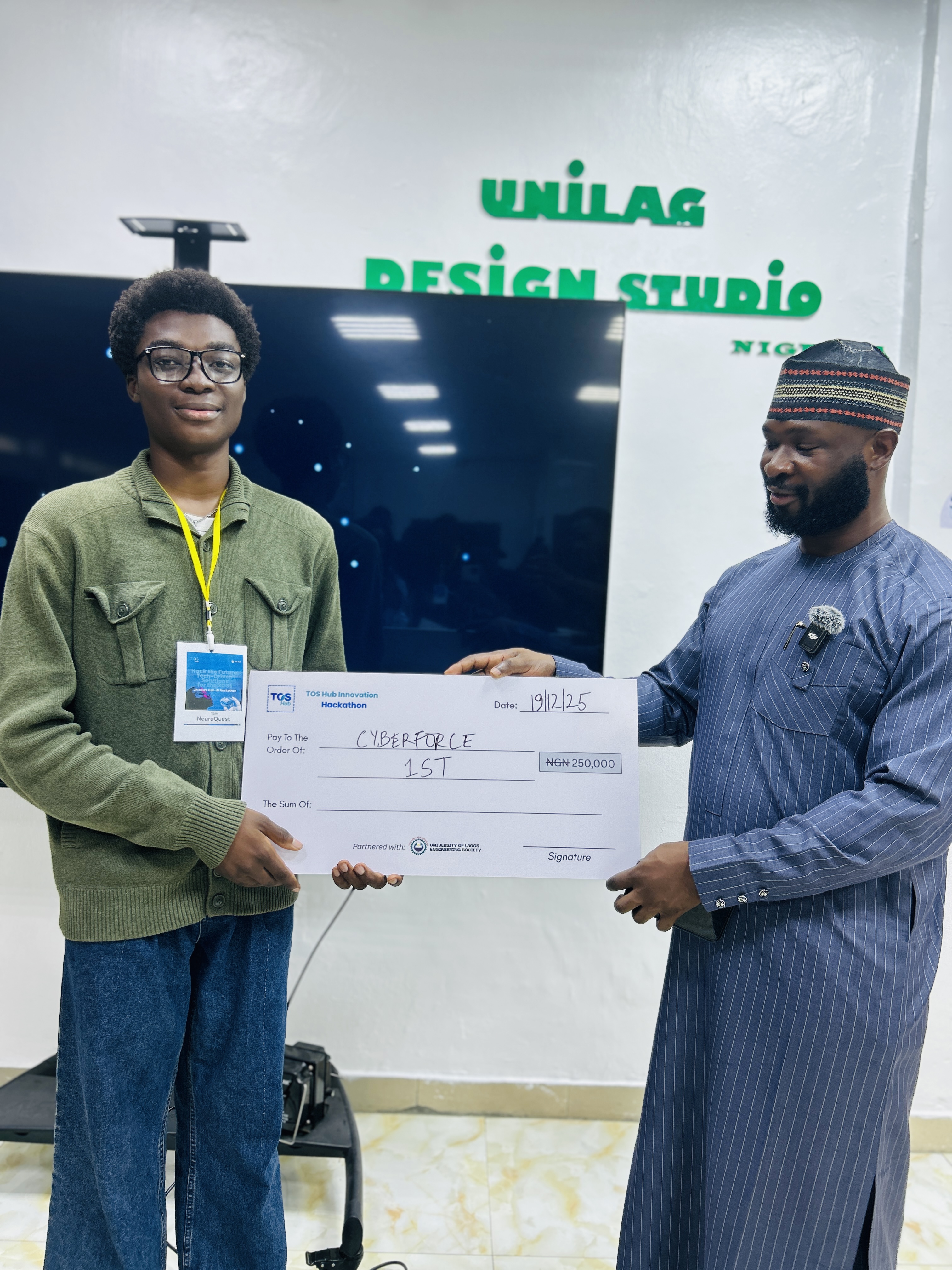 Winning First Place
Key Takeaways: Lessons Beyond the Hackathon
-
Accessibility as Innovation: Designing for neurodivergence elevated our entire approach to UI/UX. We learned that clarity always trumps flashiness when building truly inclusive technology.
-
AI as Enabler, Not Replacement: While AI powered our content generation, the thoughtful application logic and user experience design were what made NeuroQuest truly accessible and effective.
-
Pivot with Purpose: Sometimes, the best ideas emerge at the last minute. Being willing to change direction—when guided by genuine insight—can lead to unexpected breakthroughs.
-
Technical Skill Meets Human Understanding: The most powerful solutions emerge when technical capabilities align with deep empathy for user needs.
NeuroQuest represents just the beginning of this journey. I'm excited to refine our MVP and continue exploring the intersection of AI and inclusive education—because everyone deserves the chance to learn in a way that works for them.